Why Every Tamworth Home Should Have A Safety Switch Installed
Electrical systems often operate quietly in the background, powering everyday appliances without much thought. It is only when something goes wrong that their importance becomes clear. A faulty appliance, damaged wiring or unexpected surge can turn a routine day into a potentially dangerous situation.
Many homes rely on basic electrical protection, yet not all systems are equipped to respond quickly enough to certain faults. This is where safety switches play a role, acting as a protective measure designed to reduce the risk of electric shock and related hazards.
For households considering electrical upgrades, speaking with an
electrician in Tamworth about safety switches can provide clarity on how these devices support everyday safety.
A Safety Switch Works Instantly When Electrical Faults Occur Behind The Scenes
Safety switches, also known as residual current devices, are designed to monitor the flow of electricity through a circuit. When they detect an imbalance — such as electricity leaking through an unintended path — they respond by shutting off power almost immediately.
This response can occur in a fraction of a second, limiting exposure to electrical current. Unlike other protective devices, safety switches focus specifically on preventing electric shock rather than just protecting wiring or appliances.
By interrupting the circuit when something unusual is detected, they add an additional layer of protection that operates independently of visible warning signs. This makes them particularly relevant in situations where faults may not be obvious.
What Happens When Your Wiring Becomes Damaged Or Overloaded?
Electrical systems can develop faults over time due to wear, environmental factors or accidental damage. When wiring is compromised, the risk of leakage or short circuits increases.
Common issues include:
- Frayed or exposed wiring behind walls or ceilings
- Overloaded circuits from multiple high-use appliances
- Moisture entering outlets or connections
- Faults within appliances drawing irregular current
In these situations, a safety switch can detect irregular current flow and disconnect the power. This response helps limit the duration of exposure to potentially harmful electrical conditions, offering an added safeguard in everyday use.
Older Switchboards May Not Include Modern Safety Switch Protection
Many properties built in earlier decades may still operate with original switchboards or older upgrades that do not include safety switches on all circuits. While these systems may still function, they may not provide the same level of protection expected in more recent installations.
Upgrading a switchboard can involve assessing existing components and identifying where safety switches can be integrated. This process allows the system to align more closely with current expectations for electrical protection.
For homeowners, understanding what is already installed can be the first step. A licensed electrician can review the setup and outline options for bringing the system up to date.
Where Safety Switches Should Be Installed For Full Household Coverage
Safety switches can be installed to protect individual circuits or entire sections of a home. The placement often depends on the layout of the electrical system and how different areas are used.
Typical installation points include:
- Power point circuits throughout living areas
- Lighting circuits in key parts of the home
- Outdoor electrical connections exposed to weather
- Areas with higher moisture levels such as kitchens and bathrooms
Having coverage across multiple circuits allows the system to respond more precisely, isolating faults without affecting the entire property. This approach supports both safety and convenience in everyday use.
How Safety Switches Differ From Standard Circuit Breakers And Fuses
Circuit breakers and fuses are commonly used to protect electrical systems, but their function differs from that of safety switches. While breakers respond to overloads or short circuits, they may not detect small current leaks that can still pose a risk.
Safety switches are designed to identify these smaller imbalances in electrical flow. This means they can respond to situations that might not trigger a standard breaker.
By working alongside existing protective devices, safety switches add another level of monitoring. Together, these components contribute to a more comprehensive approach to electrical safety within the home.
Routine Testing Helps Confirm Your Safety Switch Is Working As Expected
Like any electrical component, safety switches benefit from regular checks to confirm they are operating correctly. Most units include a test button that allows homeowners to simulate a fault and observe the response.
Simple testing steps may include:
- Pressing the test button to confirm the switch trips
- Resetting the switch after testing
- Noting any delays or irregular behaviour
- Arranging further inspection if the switch does not respond
Regular testing helps identify potential issues early, allowing them to be addressed before a real fault occurs. This small step can contribute to ongoing awareness of the system’s condition.
Professional Installation Supports Compliance With Current Electrical Standards
Installing a safety switch involves more than connecting a single component. It requires an understanding of the property’s electrical layout and how different circuits interact.
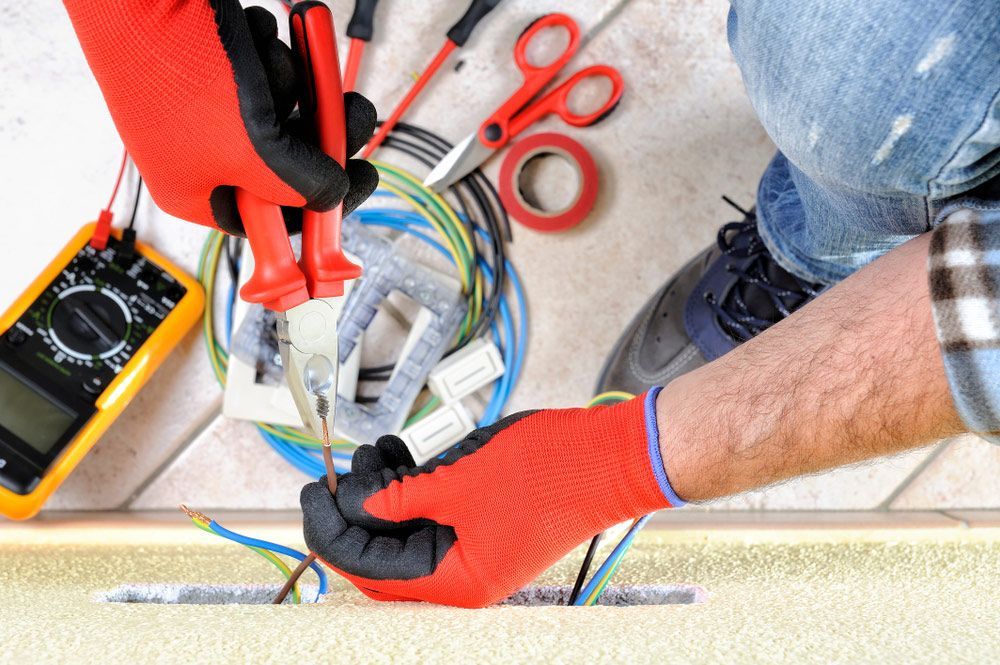
An electrician can assess the system, recommend suitable installation points and carry out the work in line with current standards. This process may also include inspecting existing wiring and identifying areas that could benefit from updates.
For those seeking guidance, a commercial
electrician in Tamworth may also assist with properties that have more complex electrical requirements, such as multi-unit dwellings or mixed-use spaces.
Why Safety Switches Are A Practical Addition For Both Homes And Investment Properties
Safety switches are not limited to owner-occupied homes. They are also relevant for rental properties and investment portfolios, where electrical safety is an ongoing consideration.
Benefits can include:
- Added protection for occupants and visitors
- Support for meeting property safety expectations
- Reduced risk of electrical incidents within the home
- A practical upgrade for long-term property maintenance
For landlords and property managers, reviewing electrical systems can form part of broader property upkeep. Safety switches are one component that contributes to a more considered approach to electrical safety.
Electrical systems in Tamworth homes are exposed to a range of conditions, from ageing infrastructure to increased appliance use and changing weather patterns. These factors can place added demand on wiring and switchboards over time. At A & J Electrical Contractors, we work with homeowners, landlords and businesses across Tamworth to assess electrical systems and install safety switches where needed. If you are considering an upgrade or want to understand how your current setup performs, reaching out to our team for advice can help you make an informed decision about your home’s electrical safety.