Split System Vs Ducted Air Conditioning: Key Differences Explained
Choosing the right air conditioning system can make all the difference in comfort, efficiency, and long-term value. For homeowners and business owners in Tamworth, the decision often comes down to two popular options: split systems and ducted air conditioning. Both offer effective cooling and heating, but each suits different property sizes, budgets, and lifestyles. Understanding how they work and what’s involved in their installation helps you make a confident decision. With expert guidance from licensed electrical contractors, you can find the best solution to match your space, energy use, and comfort preferences.
1. The Basics: What Makes Split and Ducted Systems Different?
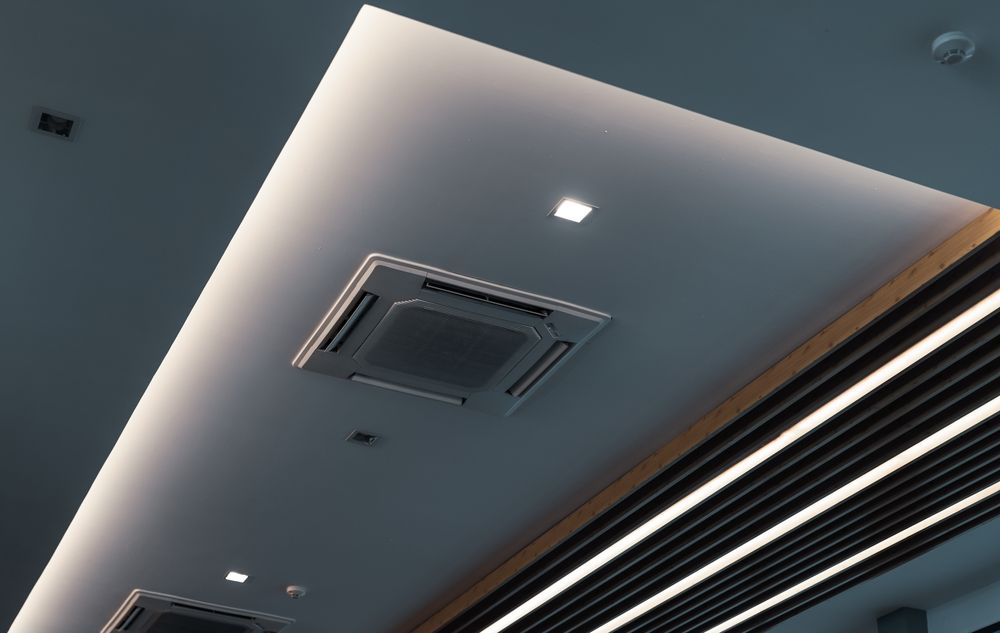
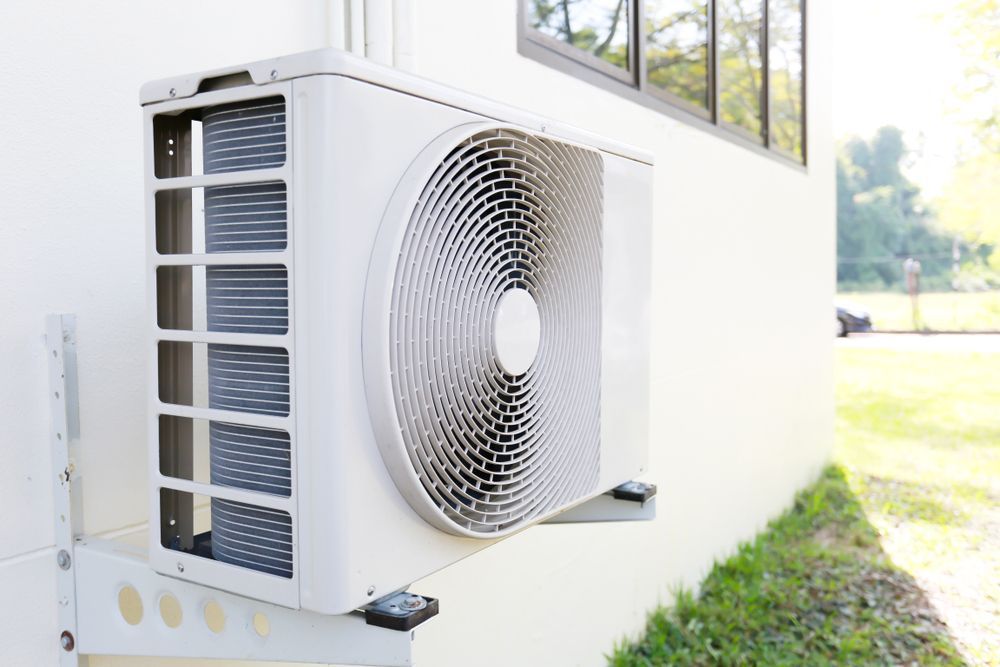
When it comes to ducted air conditioning vs split system setups, the main difference lies in how they distribute air throughout your home. Split systems consist of two main components; an indoor unit that cools or heats a specific area and an outdoor compressor that powers the system. In contrast, ducted systems use a central unit connected to vents in multiple rooms, allowing you to cool or heat your entire home at once.
Electrical contractors handle both types of installations, ensuring the correct wiring, power connections, and circuit protection are in place.
Here’s a quick breakdown:
- Split systems: Ideal for single rooms or small areas.
- Ducted systems: Centralised air delivery for whole-home comfort.
- Power needs: Ducted systems require higher capacity and more complex wiring.
Understanding these basics helps you decide which design suits your property’s layout and energy demands.
2. Installation Requirements and Electrical Setup
Installing an air conditioning system involves more than just mounting units and connecting pipes. The electrical setup plays a vital role in safety and performance. For split systems, installation typically involves placing the indoor and outdoor units, running refrigerant lines, and connecting to the power supply.
Ducted systems, on the other hand, are more complex. They require ceiling space for ducts, careful zoning layout, and a dedicated circuit to handle the higher load. A licensed electrical contractor ensures everything complies with Australian standards, preventing overloads and ensuring smooth operation.
Whether you’re upgrading your existing setup or starting from scratch, professional installation ensures your air conditioning in Tamworth performs safely and efficiently.
3. Energy Efficiency and Long-Term Running Costs
One of the biggest factors in deciding between systems is energy efficiency. Split systems are generally more efficient for smaller homes or specific rooms since you can run one unit at a time. Ducted systems, however, can be more economical in larger spaces, particularly if zoning controls are installed.
An electrical contractor can advise on wiring efficiency, smart thermostats, and circuit balancing to help reduce long-term power use.
Consider these points:
- Split systems: Use less power when operating one or two units.
- Ducted systems: More efficient for large or multi-room setups, especially with zoning.
- Inverter technology: Reduces energy spikes and helps lower electricity bills.
The right system will depend on your property’s size and how you typically use your air conditioning throughout the year.
4. Comfort and Control: Tailoring Temperature to Your Home
When comfort is the goal, control is key. Split systems allow independent temperature settings for each room, giving flexibility for smaller spaces or specific cooling zones. Ducted air conditioning, on the other hand, offers whole-home comfort controlled from a single thermostat, or through zoning, where each area can be adjusted separately.
Electricians play a crucial role in setting up these control systems, wiring thermostats, and connecting smart home integrations. Whether you prefer a simple remote control or an app-based system, proper electrical setup ensures your air conditioner operates reliably and safely every day.
5. Maintenance and Electrical Servicing Needs
Both systems require regular maintenance to maintain efficiency and safety. Electrical contractors provide servicing that covers wiring checks, electrical testing, and performance inspections to ensure your system continues running smoothly.
Maintenance differences include:
- Split systems: Periodic cleaning of filters and checking wiring for wear.
- Ducted systems: Routine duct inspections and power circuit testing.
- Electrical servicing: Ensures safe operation and extends equipment lifespan.
Preventative maintenance reduces energy waste and helps identify issues early before they affect comfort or cause costly repairs.
6. Space, Aesthetics, and Installation Flexibility
Space and design preferences often influence which system works best. Split systems are compact, with only a wall-mounted indoor unit visible in each room. They’re ideal when space is limited or when adding cooling to individual areas. Ducted systems, however, offer a more discreet finish, with vents seamlessly integrated into ceilings and minimal visible equipment.
Electricians assess the property’s structure before installation, planning cable runs and unit placements to optimise both appearance and performance. By understanding your space and aesthetic goals, they can recommend the best configuration for practical and visual appeal.
7. Upgrading or Switching Systems: What Homeowners Should Know
If you’re considering upgrading from a split to a ducted system, or vice versa, it’s important to have your property’s electrical capacity assessed first. Ducted systems often require dedicated circuits, while split systems may need additional power outlets or wiring adjustments.
Before installation, electricians evaluate:
- Switchboard capacity and load distribution.
- Compatibility with existing circuits or older wiring.
- Possible upgrades to meet modern safety standards.
Upgrading isn’t just about comfort; it’s about ensuring your electrical system supports the new unit safely and efficiently. A professional assessment helps prevent issues and extends the life of your investment.
8. Which Air Conditioning System Suits Your Home Best?
Ultimately, the right choice comes down to your space, lifestyle, and priorities. A split system is ideal for smaller homes, apartments, or specific rooms where independent control is preferred. Ducted systems are better suited for larger homes or offices that need consistent comfort across multiple zones.
Consulting an experienced electrical contractor provides clarity on which system offers the best balance of cost, efficiency, and performance for your property. With proper installation and maintenance, either option can deliver reliable climate control for years to come.
At A&J Electrical Contractors, we help homeowners and businesses across Tamworth find the right cooling and heating solution for their needs. Whether you’re deciding between ducted air conditioning vs split system options or need expert installation for a new setup, our team provides safe, compliant, and efficient electrical work from start to finish. We take the time to assess your property and guide you toward a system that suits your space, energy use, and comfort goals.
If you’re exploring options for air conditioning in Tamworth, contact us today for tailored advice or to book an installation. Visit our website at https://www.ajelec.com.au/ to learn more about our air conditioning services and electrical expertise.